My T-Mobile Phone Insurance Paid $0 on a Cracked Screen Claim
I dropped my phone in a parking lot. The screen landed on a small pebble and a hairline crack spiderwebbed from the bottom left corner. The phone still worked—touch input was fine, the display was intact—but the crack was visible. I filed a claim with T-Mobile's device protection, which I'd been paying $14.99 per month for, totaling $175 over the 11 months I'd held the policy. The response came back: denied. The crack was deemed cosmetic damage, not functional impairment. My $0 payout made me realize how insurance fine print can catch you off guard.
The $0 Payout That Cost Me $175 in Premiums
I signed up for T-Mobile's Device Protection when I bought my Galaxy S24+ at a T-Mobile store. The sales representative described it as covering accidental damage, including cracked screens. The monthly premium was $14.99, which added up to roughly $180 per year. When my screen cracked, I assumed the $99 deductible would be my only additional cost. I was wrong.
The claim process required uploading photos of the damage via T-Mobile's insurance portal. I took clear shots showing the hairline crack under normal lighting. Within 24 hours, I received an email from Assurant, the third-party administrator of T-Mobile's plan, stating that my claim was denied because the damage was "cosmetic" and did not affect the phone's functionality. The email cited a policy exclusion for minor defects that do not impair use.
The phone's screen was physically cracked—it was not a scratch or a scuff. Yet the insurer classified it as cosmetic. I called customer service and spent 45 minutes on hold. The representative explained that because the touchscreen and display functioned normally, the crack was considered a cosmetic issue, which is excluded under the policy. I asked for a supervisor and got the same answer. The policy language, as quoted to me, said: "Damage that does not materially affect the functionality of the device is not covered."
I later found a Reddit thread with dozens of similar stories. One user posted a photo of a shattered screen—multiple cracks, glass fragments—that was denied because the phone still turned on. Another described a cracked camera lens that was rejected as cosmetic. The pattern is clear: insurers interpret "cosmetic" broadly to deny claims that would otherwise seem straightforward.
Why T-Mobile's Insurance Fine Print Buries You
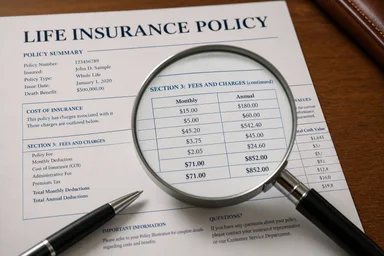
T-Mobile's device protection is underwritten by Assurant, a large insurance company that administers plans for multiple carriers. The policy document, which is over 30 pages long, defines "accidental damage" as damage that impairs the device's normal operation. A cracked screen that does not affect touch sensitivity or display clarity may not meet that definition. The policy also excludes "wear and tear" and "minor cosmetic imperfections."
The key phrase is "materially affects the functionality." If your phone works, even with a visible crack, the insurer can argue it's cosmetic. This is a common tactic in device insurance. A 2023 Consumer Reports survey found that 42% of phone insurance claims were denied, with the most common reason being that the damage was considered cosmetic or not covered under the policy's definition of accidental damage. (Source: Consumer Reports, "Phone Insurance: Is It Worth It?" October 2023 issue.)
Assurant's claims adjusters have discretion. Two identical cracks on two different phones could receive different outcomes. One claimant might get approved because the adjuster deems the crack severe enough to compromise future integrity; another might be denied because the screen still lights up. There is no industry standard for what constitutes a functional impairment, leaving room for inconsistent decisions.
Some state insurance commissioners have received complaints about this practice. In 2022, the Washington State Office of the Insurance Commissioner fined Assurant $1.2 million for improper claims handling related to cell phone insurance. The settlement did not require Assurant to change its definition of cosmetic damage, but it highlighted a pattern of denials that consumers found unfair.
How Deductibles Turn Minor Repairs Into Losses
Even if your claim is approved, the deductible often makes insurance a poor deal. For a cracked screen on a flagship phone, T-Mobile's deductible is $99. That's on top of the $175 in annual premiums you've already paid. So the total cost of that repair, if you file a claim, is $274. Compare that to the uninsured cost of a screen repair at a third-party shop, which typically runs $200 to $300 for a Samsung or iPhone screen.
If you self-insure—set aside $15 per month in a dedicated savings account—you'll have $180 after one year. If you crack your screen in month 13, you'll have $195 saved, enough to cover a $200 repair without any deductible. And if you never crack your screen, you keep the money. With insurance, you lose the premium regardless.
The break-even point is roughly 18 months. If you file a claim within that period, the total cost (premiums + deductible) may be less than the repair cost. But the average phone upgrade cycle is about 2.5 years, according to industry data. So most people pay premiums for longer than they'd need to self-insure, making insurance a net loss.
Deductibles also discourage small claims. Filing a $99 deductible claim for a $200 repair means you're only saving $101, but you've already spent $175 on premiums. The net loss is $74. Many people don't run the numbers and assume insurance is cheaper, when in reality they'd be better off paying for the repair out of pocket.
The Real Economics of Phone Insurance vs. Self-Insurance
Phone insurance typically costs 10% to 15% of the phone's retail value per year. For a $1,000 phone, that's $100 to $150 annually. The deductible adds another 5% to 10% of the phone's value. So the total cost of a single claim can be 15% to 25% of the phone's price. Meanwhile, the expected claim frequency for accidental damage is about 0.15 per year, based on data from SquareTrade's 2022 Device Protection Report. That means on average, you file one claim every 6.7 years.
Multiply the expected claim frequency by the average payout (repair cost minus deductible). If the average repair is $250 and the deductible is $99, the expected payout per year is about $151 times 0.15, or $22.65. But you're paying $150 in premiums. That's a negative expected value of $127 per year. The insurer profits from that gap.
Self-insurance reverses the math. If you put $15 per month into a savings account earmarked for phone repairs, after two years you'll have $360. That's enough to cover most screen replacements and even a full phone replacement if needed. And if you don't use it, the money is yours. The only risk is a very early accident—within the first few months—where you haven't saved enough. But that risk is small and manageable if you have an emergency fund.
There are cases where insurance makes sense: if you're prone to dropping your phone multiple times a year, or if you have a very expensive device like a foldable phone that costs $1,800 to replace. But for most people with a standard flagship phone, the expected value is negative. A 2021 study by the Consumer Federation of America found that cell phone insurance had a loss ratio of just 40%, meaning insurers paid out only 40 cents in claims for every dollar in premiums. That's a 60% profit margin.
Three Better Ways to Handle a Cracked Screen
If you crack your screen and don't have insurance, or if your claim is denied, you have options. The cheapest is a DIY repair kit. For $30 to $60, you can buy a screen replacement kit online that includes the glass, adhesive, and tools. The process takes about 30 minutes for most models, though it requires patience and a steady hand. iFixit rates many modern phones as moderately difficult to repair, but video guides make it accessible.
Third-party repair shops offer a middle ground. Places like uBreakiFix or local phone repair stores will replace a screen for $80 to $150, depending on the model. That's often less than the deductible on an insurance plan, and you don't have to pay premiums. The downside is that third-party repairs may void any remaining manufacturer warranty, though the Magnuson-Moss Warranty Act limits how much a manufacturer can penalize you for using third-party parts.
Manufacturer extended warranties like AppleCare+ or Samsung Care+ cost $8 to $13 per month and include screen repairs for a $29 deductible. These plans have clearer definitions of accidental damage and are less likely to deny claims for cosmetic cracks. They also include other benefits like battery replacements and express shipping. If you want insurance, a manufacturer plan is often a better bet than a carrier plan.
Some credit cards offer extended warranty or purchase protection that covers accidental damage for 90 to 120 days after purchase. For example, the Chase Sapphire Preferred card provides up to $500 per claim for damage or theft within 120 days. That can be a free safety net if you buy your phone with the card. It's worth checking your card's benefits before buying separate insurance.
Finally, you can trade in your cracked phone. Carriers and manufacturers often accept cracked screens for trade-in, though they deduct $50 to $100 from the trade-in value. That's less than the cost of a repair, and it effectively subsidizes your next phone. Some people choose to live with the crack and trade in later rather than pay for a repair.
What to Check Before Buying Any Phone Insurance
Before signing up for phone insurance, read the exclusions list aloud. Pay attention to how "accidental damage" is defined. Look for phrases like "materially affects functionality" or "impairs normal use." If the definition is vague, expect denials. Also check whether the policy covers cracked screens specifically—some plans exclude them altogether or require a higher deductible.
Compare the deductible to the repair cost. A $99 deductible on a $200 repair means you're only saving $101, but you've already paid premiums. If the deductible is more than half the repair cost, insurance is a poor deal. Also check if the deductible applies per incident or per year. Some plans have a per-incident deductible that resets after each claim, which can add up quickly if you have multiple accidents.
Ask whether cosmetic damage is covered. If the answer is "only if it affects functionality," assume many cracks will be denied. Some insurers offer a separate "cosmetic damage" rider, but it's rare and usually expensive. A better approach is to find a plan that explicitly covers cracked screens without a functionality test.
Look into manufacturer plans first. AppleCare+ and Samsung Care+ have simpler terms and lower deductibles. They also cover more types of damage, including back glass and camera lenses. Carrier plans often have more exclusions and higher deductibles. A 2023 comparison by Wirecutter found that carrier plans cost 30% to 50% more than manufacturer plans for similar coverage.
Calculate the expected value over two years. Multiply the annual premium by two, add the deductible, and compare that to the cost of one uninsured repair. If the insurance cost exceeds the repair cost, skip it. Also consider the probability of needing a repair. If you've never cracked a screen, the odds are low. If you've cracked three phones in two years, insurance might be worth it—but even then, manufacturer plans are likely cheaper.
Weighing Your Options
Phone insurance is a form of gambling where the house has a strong edge. Insurers aim for loss ratios of 40% to 60%, meaning they keep 40% to 60% of every premium dollar as profit. That's a worse deal than most casino games. The only way to win is to file a claim early in the policy's life, before you've paid too much in premiums. But you can't time an accident.
For many people, self-insuring is a practical alternative. Setting aside $15 per month in a dedicated savings account builds a fund that can cover most screen repairs after one year, or a full replacement after two years. If you never need it, the money stays yours—a better outcome than paying premiums with no claim.
There are exceptions. If you have a history of frequent drops, or if you use your phone in a high-risk environment like construction, insurance may be worth it. But even then, compare manufacturer plans and credit card protections before buying a carrier plan. The fine print matters more than the sales pitch.
My experience with T-Mobile's insurance cost me $175 and a lot of frustration. I now keep that $15 per month in a savings account. It's not a huge amount, but it's mine, and it will be there when I need it.
This article is for informational purposes only and does not constitute financial advice. Individual circumstances vary, and you should evaluate your own risk tolerance and budget before making insurance decisions. For personalized guidance, consult a licensed financial professional.